AI Receptionists: How They Work, What They Cost, and Why You Need One
The Front Desk Problem Every Business Faces
Here’s a scenario every business owner knows too well:
Your phone rings. Your receptionist is already on another call. A second line starts ringing. A customer walks in. An email notification pops up about an urgent booking change.
Meanwhile, the caller who couldn’t get through? They’ve already dialled your competitor.
This isn’t a staffing problem. It’s a capacity problem. And in 2026, AI receptionists are solving it at scale.
What Is an AI Receptionist?
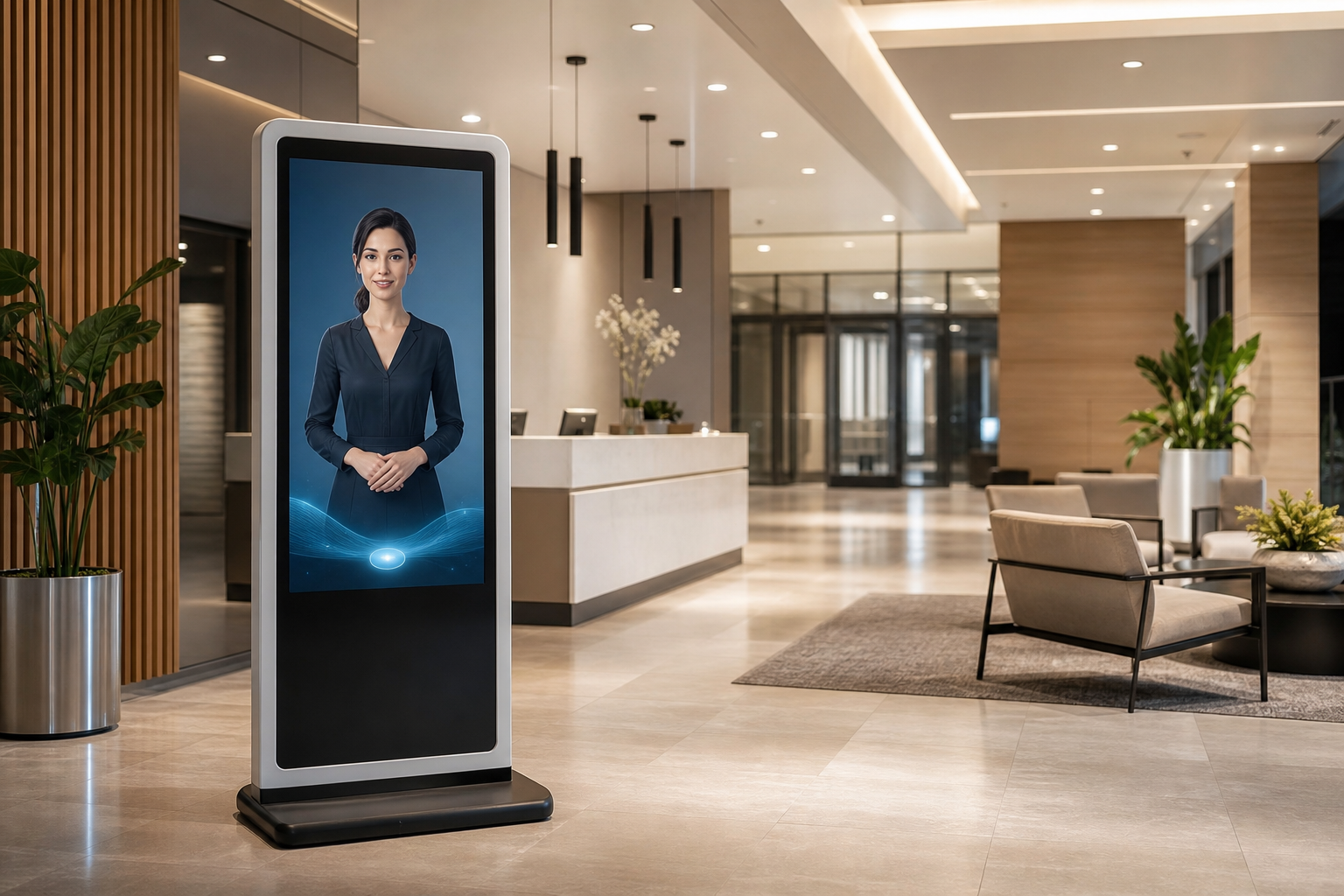
An AI receptionist is a software system that handles incoming calls, schedules appointments, answers frequently asked questions, and routes inquiries — all using natural language processing and machine learning.
Unlike the robotic phone menus of the past (“Press 1 for sales, press 2 for support…”), modern AI receptionists have natural conversations. They understand context, detect tone, and can handle complex multi-turn interactions.
Think of it as having a highly trained receptionist who:
– Never calls in sick
– Works 24 hours a day, 365 days a year
– Handles multiple calls simultaneously
– Never has a bad day
– Remembers every caller’s history
– Speaks multiple languages
How AI Receptionists Actually Work
Step 1: Call Answering
When a call comes in, the AI receptionist answers with your custom greeting — using a natural-sounding voice that you select and customise.
Step 2: Intent Recognition
The AI listens to the caller and determines what they need. Is it an appointment? A question about hours? A specific person? An emergency?
Step 3: Action Execution
Based on the caller’s intent, the AI takes action:
– Scheduling: Accesses your calendar in real-time and books available slots
– FAQ Handling: Provides answers about your business (hours, location, services, pricing)
– Call Routing: Transfers to the right person when human interaction is needed
– Message Taking: Captures detailed messages and sends them to the appropriate team member
– Follow-up: Sends confirmation texts or emails to the caller
Step 4: Learning and Improving
Modern AI receptionists learn from every interaction. They get better at understanding your specific callers, common requests, and business nuances over time.
The Business Case: Why AI Receptionists Are Booming in 2026
Never Miss a Lead
Research shows that 80% of callers who reach voicemail don’t leave a message — they call the next business. An AI receptionist ensures every call is answered instantly, turning potential lost leads into booked appointments.
24/7 Availability
In 2026, customers expect to interact with businesses on their schedule, not yours. An AI receptionist handles bookings at 7 PM, on weekends, and during holidays — times when your human staff aren’t available.
Handle Repetitive Work Efficiently
A surprising percentage of front desk calls are repetitive: “What are your hours?” “Where are you located?” “How much does X cost?” “Can I reschedule my appointment?” Instead of requiring a human to repeat the same answers hundreds of times per week, AI handles these effortlessly.
Cost Efficiency
The maths is compelling:
– Full-time receptionist: $45,000-$60,000/year (salary + benefits + training)
– AI receptionist: $1,200-$6,000/year depending on features and volume
– Savings:** 85-95% cost reduction for routine call handling
Note: This doesn’t mean you should fire your receptionist. It means your receptionist can focus on high-value in-person interactions while AI handles the phone.
Consistent Quality
An AI receptionist provides the same professional experience on the 1st call of the day and the 500th. No fatigue, no frustration, no variation in quality.
What AI Receptionists Cost in 2026
Here’s a realistic breakdown of the current market:
| Tier | Monthly Cost | Typical Features |
| Basic | $50-100 | Call answering, basic FAQ, message taking |
| Standard | $100-300 | + Appointment scheduling, CRM integration, call routing |
| Premium | $300-500 | + Multi-language, advanced analytics, custom workflows |
| Enterprise | $500+ | + Multiple locations, API access, custom AI training |
Most small businesses find the Standard tier ($100-300/month) provides the best value, as appointment scheduling integration alone typically generates enough additional bookings to cover the cost many times over.
Industries Where AI Receptionists Excel
Healthcare and Dental Practices
Appointment scheduling, insurance inquiries, prescription refill requests, and after-hours triage. AI receptionists are particularly powerful here because call volumes are high and many inquiries are routine.
Legal Firms
Initial client intake, appointment scheduling, and routing based on case type. Law firms report significant improvements in lead capture since implementing AI receptionists.
Real Estate
Property inquiries, showing scheduling, and lead qualification. AI receptionists can handle multiple property questions and schedule viewings automatically.
Home Services (Plumbing, Electrical, HVAC)
Emergency call triage, appointment booking, and service inquiries. Particularly valuable for after-hours emergency calls.
Hospitality and Restaurants
Reservation management, menu inquiries, and event booking. AI handles the high volume of repetitive calls that restaurants receive daily.
How to Choose the Right AI Receptionist
1. Identify Your Primary Use Case
Are you mainly missing calls after hours? Drowning in scheduling requests? Need FAQ handling? Your primary need determines the right solution.
2. Check Integration Compatibility
The AI receptionist should integrate with your existing calendar, CRM, and booking systems. Compatibility is non-negotiable.
3. Test the Voice and Conversation Quality
Call the demo line yourself. Does it sound natural? Can it handle unexpected questions? Does it know when to transfer to a human?
4. Review the Handoff Process
The best AI receptionists know their limits. When a caller needs a human, the transition should be seamless — with all context passed along so the caller doesn’t have to repeat themselves.
5. Evaluate Analytics and Reporting
Good AI receptionist platforms provide detailed analytics: call volumes, peak times, common questions, booking rates, and caller satisfaction metrics.
Implementation Best Practices
1. Start with after-hours only. Let the AI handle calls when your office is closed. This is the lowest-risk, highest-impact starting point.
2. Feed it comprehensive FAQs. The more information you provide about your business, the better the AI performs from day one.
3. Set clear escalation rules. Define exactly when and how calls should be transferred to a human.
4. Monitor early interactions. Review call recordings during the first few weeks to identify gaps in the AI’s knowledge.
5. Inform your team. Make sure your staff understands how the AI receptionist works and how handoffs happen.
6. Tell your customers (or don’t). Many businesses find that callers don’t even realise they’re speaking to AI. There’s no obligation to disclose, but transparency builds trust.
The Bottom Line
AI receptionists represent one of the clearest ROI opportunities in business technology today. They solve a universal problem (missed calls = missed revenue), they cost a fraction of traditional solutions, and they’re available 24/7.
If your business relies on phone calls for leads, appointments, or customer service, an AI receptionist isn’t a luxury — it’s a competitive necessity.
The businesses that never miss a call will always outperform those that do.
Considering an AI receptionist for your business? Contact us for a personalised assessment of how much revenue you might be leaving on the table with missed calls.